Gaborone, Botswana – For decades, Botswana has been Africa’s quiet success story, a nation defined by prudent governance and the brilliant gleam of diamonds. This landlocked country of just 2.6 million people has masterfully transformed mineral wealth into one of the continent’s most stable, least corrupt, and prosperous societies. But as the global diamond market loses some of its lustre, Botswana finds itself at a crucial inflection point, embarking on a deliberate and ambitious quest to redefine its economic destiny.
The challenge is stark. Diamonds, the bedrock of the nation’s post-independence miracle, still account for roughly 90% of export earnings. This dependency, once a source of immense strength, is now a vulnerability. A recent global slowdown in diamond demand has seen Botswana’s impressive post-pandemic growth rates temper, a clear signal that the old economic engine cannot be the sole driver of future prosperity. With a stubborn unemployment rate hovering near 25%, the government knows that the nation’s next chapter must be written by a diversified, job-creating private sector.
This necessity has sparked a quiet but determined revolution, guided by a national blueprint, “Vision 2036,” which aims to propel Botswana to high-income status. More than just a policy document, it represents a fundamental shift in mindset, a pivot from resource extraction to knowledge-based innovation and sustainable growth. The government is rolling out the welcome mat, streamlining business registration, offering attractive tax incentives, and championing a new National Investment Strategy. The message is clear: Botswana is open for business, but it is looking for partners in building a new, more resilient economy.
The most compelling opportunities lie not in the saturated, capital-intensive diamond industry, but in the undercapitalized sectors that have, until now, remained in its shadow.
From Sunlight to Copper: The New Resource Base
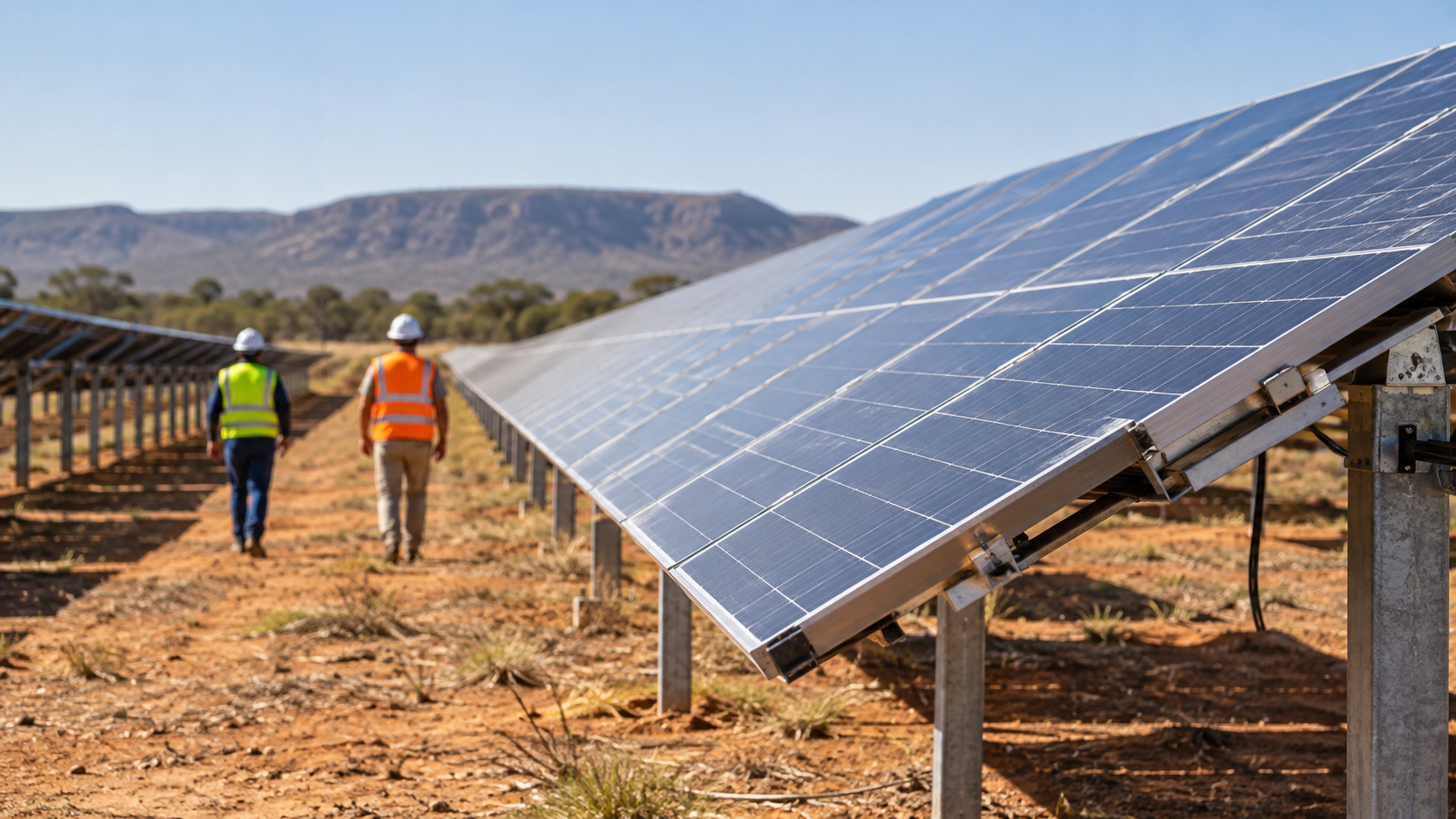
Perhaps the most potent symbol of Botswana’s economic shift is the turning of its face to the sun. The nation is drenched in over 3,200 hours of sunshine per year, a natural resource potentially more valuable in the 21st century than the gems beneath its soil. Historically reliant on a single coal plant and expensive power imports from South Africa, Botswana is now aggressively courting private investment in solar energy. The first wave of utility-scale solar projects is underway, with independent power producers signing long-term agreements to feed the national grid. This transition from a chronic power deficit to a potential clean-energy exporter represents a foundational opportunity, creating a stable energy platform for all other industries to build upon.
This pivot from subterranean wealth to solar power is mirrored in the mining sector itself. Beyond diamonds, Botswana’s geology is rich with copper, nickel, coal, and potentially the critical minerals that will power the global energy transition. After decades of relative neglect, exploration for these resources is gathering pace. The recent opening of a new copper-silver mine has proven the viability of mid-scale, non-diamond mining operations. As global demand for copper for electrification and other industrial metals soars, Botswana’s underexplored mineral belts present a new frontier, moving the country from a single-mineral story to a diversified geological portfolio.
Cultivating Self-Sufficiency and Value
Botswana faces a curious predicament: despite vast tracts of land and a strong cattle-ranching tradition, it imports a substantial portion of its food. This dependency has created a clear and urgent opportunity for growth in agriculture and agro-processing. Recent government restrictions on the import of certain fruits and vegetables have highlighted a significant gap between local supply and demand, a gap that modern, well-managed agricultural ventures are perfectly positioned to fill.
The potential extends from high-tech greenhouses cultivating fresh produce for the domestic market to enhancing the value of its world-renowned, disease-free beef for export. The real prize, however, lies in vertical integration – not just growing sunflowers, but processing them into the cooking oil that currently lines supermarket shelves as an import. Such ventures, which create value and jobs onshore, are at the very heart of the government’s diversification strategy.
Building a Modern, Resilient Economy
While harnessing natural resources remains key, Botswana’s long-term vision is anchored in building a knowledge-based economy. Its financial sector, while stable and well-regulated, is dominated by conservative, traditional banks. This leaves a wide-open field for fintech innovators to provide much-needed services for small and medium-sized enterprises, which have long struggled to access credit. Digital payment platforms, micro-insurance, and alternative lending models could flourish in this secure and orderly environment.
This digital ambition is powered by a concurrent push in the ICT sector. With a state-of-the-art Innovation Hub in Gaborone offering tax breaks and infrastructure, the government is signalling its intent to become a regional hub for tech. Opportunities abound, from developing e-commerce platforms for a nascent online market to establishing data centres that could serve not only Botswana but neighbouring countries, using the nation’s political stability as a key asset.
This drive is complemented by a focus on human capital. While public services are sound, there is a clear market for private, high-quality healthcare and specialized education. Many Batswana still travel to South Africa for advanced medical procedures or specialized university degrees, representing a significant outflow of capital. Private clinics, diagnostic centres, and vocational training institutes focused on the skills needed for these emerging sectors could find a ready and willing market.
Even Botswana’s crown jewel, its high-end, low-volume tourism sector, is ripe for innovation. While the luxury safari lodges of the Okavango Delta are world-famous, vast potential exists in developing mid-range tourism, eco-adventures in lesser-known parks like the Makgadikgadi Pans, and authentic cultural experiences.
Of course, challenges remain. As a landlocked nation, transport costs can be high, and skills shortages in technical fields are a persistent issue. Yet, the government is actively addressing these bottlenecks through infrastructure projects and education reform.
Botswana stands at a crossroads, consciously charting a course away from over-reliance on a single, finite resource. The transition is not only an economic imperative but a re-imagining of its national identity. The nation is betting that its future prosperity lies not in the concentrated brilliance of a single gem, but in the diversified sparkle of a thousand new ventures. For those watching Africa’s economic landscape, Botswana’s quiet revolution is a story that is just beginning to unfold.
Read our full Report Disclaimer.
Report Disclaimer
This report is provided for informational purposes only and does not constitute financial, legal, or investment advice. The views expressed are those of Bretalon Ltd and are based on information believed to be reliable at the time of publication. Past performance is not indicative of future results. Recipients should conduct their own due diligence before making any decisions based on this material. For full terms, see our Report Disclaimer.