The Credit Test: Why the AI Build-Out Now Answers to the Bond Market
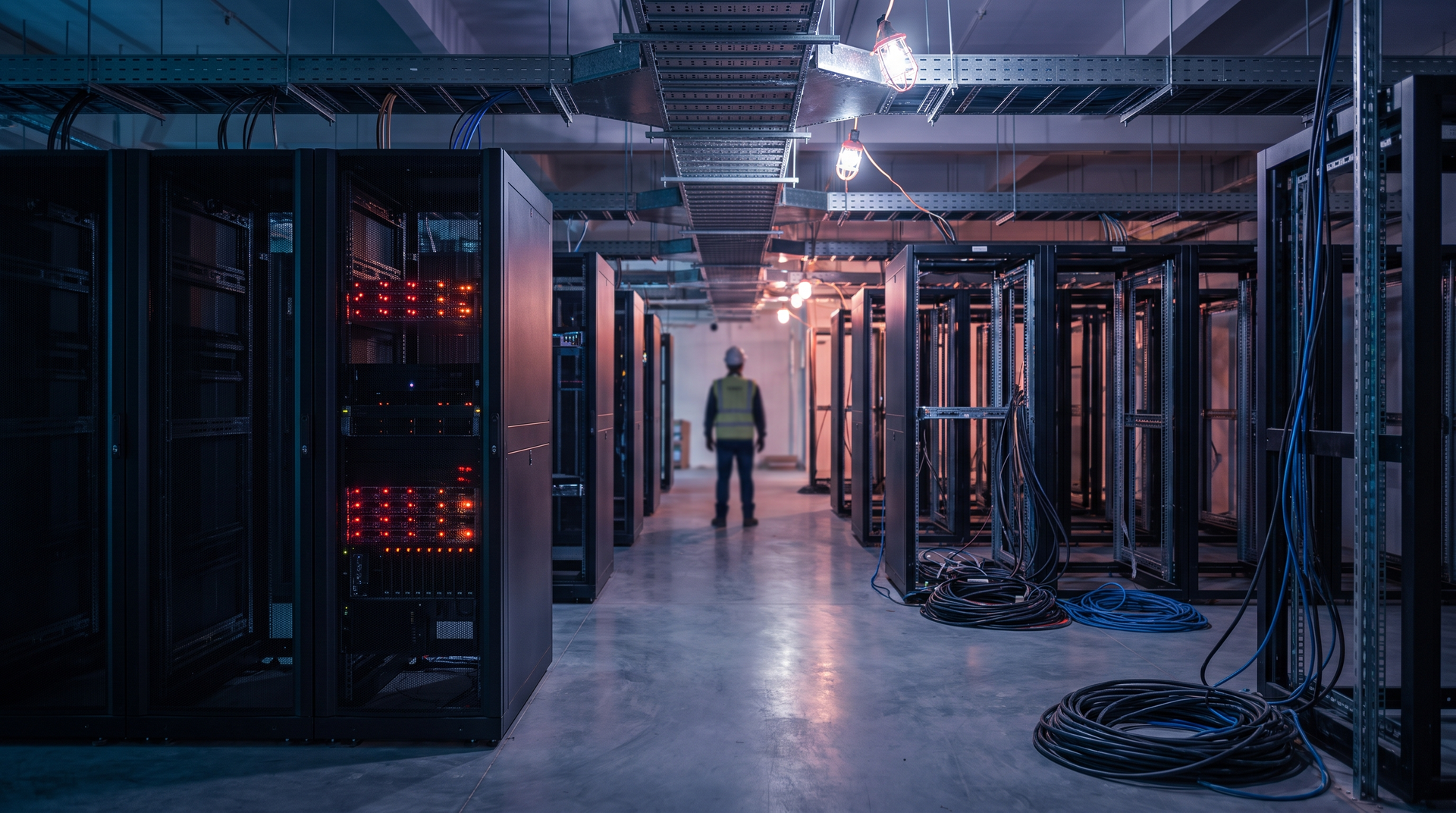
For three years the artificial intelligence build-out was paid for the way the largest technology companies pay for most things: out of profits. That arrangement is ending. The…
For three years the artificial intelligence build-out was paid for the way the largest technology companies pay for most things: out of profits. That arrangement is ending. The…
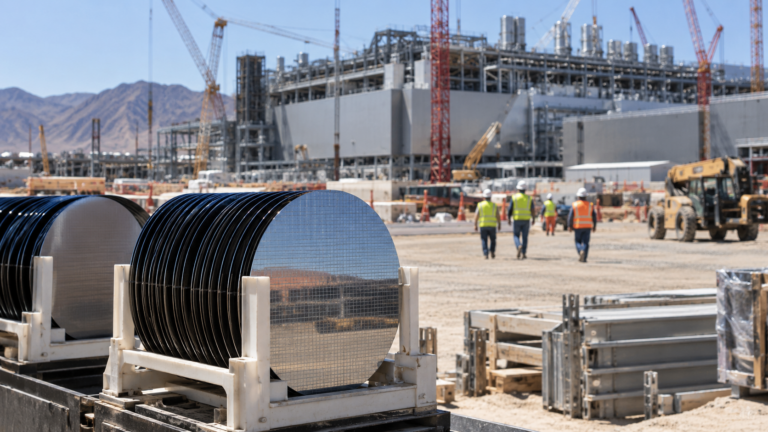
On 25 March 2026, Bank of America raised its TSMC capex forecast to USD 56 billion for the year, with more than seventy percent of that spend pointed…
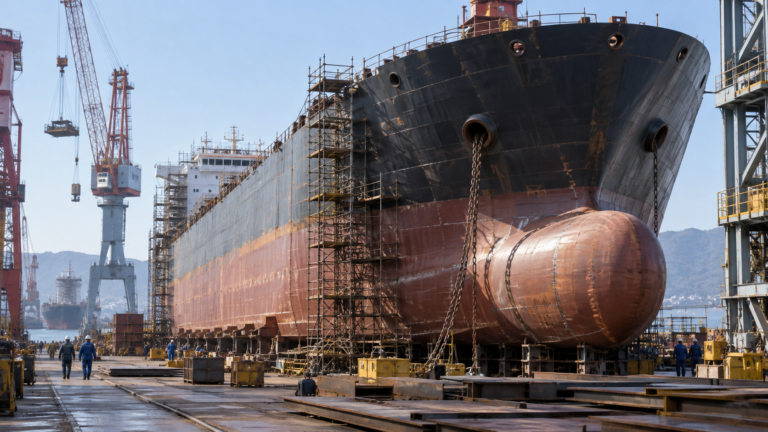
More than eighty percent of the goods that move between nations travel by sea, a figure the United Nations Conference on Trade and Development has reported consistently for…
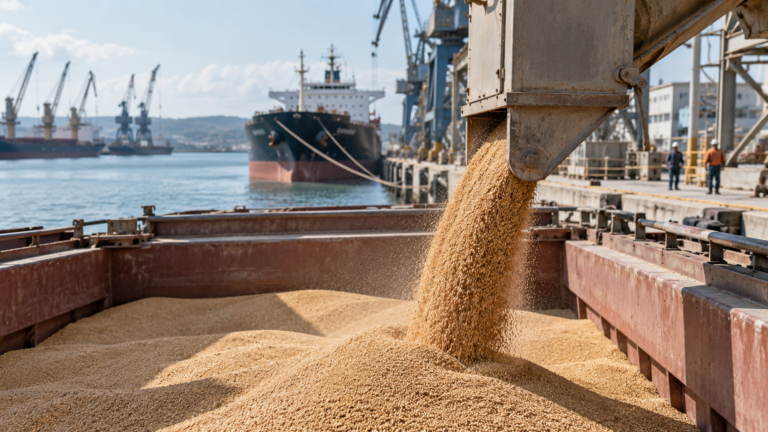
Few political slogans travel as well across ideologies as food sovereignty. Populists, autarkists, agrarian nationalists and security hawks all converge on the same intuitively satisfying proposition: a serious…
On 6 January 2025, the Brazilian foreign ministry, holding the rotating BRICS presidency, confirmed by consensus that Indonesia had been accepted as the bloc’s tenth full member. Foreign…
Every producer of a tradable commodity arrives, sooner or later, at the same temptation. Acting alone, a seller is a price-taker, disciplined by competitors who will undercut any…
Few fiscal commitments are as politically sacred and as quietly insolvent as the promise of a state pension. Across the developed world, governments have pledged income for life…
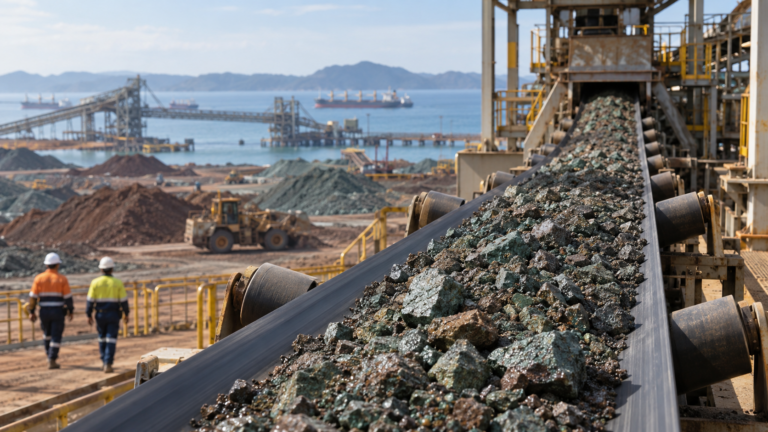
On 24 November 2025, BHP formally withdrew from its eighteen-month pursuit of Anglo American, ending a sequence of bids that had started at $39 billion in May 2024…
For four decades, the headline story of corporate taxation was a one-way descent. Statutory rates across the advanced economies fell from the high forties and fifties of the…
The Arithmetic of Asymmetry A single SM-6 interceptor costs approximately $3.9 million. A Houthi Qasef-1 drone costs approximately $5,000. Over roughly fifteen months of Red Sea operations, the…
For more than a century, the most consequential economic activity on earth has refused to spread itself evenly. A disproportionate share of the world’s software, semiconductors, biotechnology and…
On 31 March 2026, TradeTech’s Long-Term Uranium Price Indicator closed at $93.00 per pound of U3O8, an 18-year high and a $6.50 jump in a single quarter. The…